Introduction
When it comes to giving take care of individuals living with complex bowel problems, the role of carers can be both challenging and rewarding. These problems typically call for customized focus, knowledge, and abilities that exceed standard caregiving methods. In this post, we will certainly explore numerous facets of caring for individuals with intricate bowel problems, particularly focusing on stoma care and digestive tract administration approaches. We'll also review vital training programs like ndis complex bowel care training and stoma treatment training for carers, which gear up caretakers with the needed abilities to provide effective support.
By customizing your approach based upon the specific needs of patients, you can considerably boost their lifestyle while ensuring they receive the very best feasible treatment. Let's dive deeper into the subtleties of this vital field.
Complex Digestive tract Conditions: Customizing Your Strategy as a Carer
Caring for somebody with complicated bowel problems demands an understanding of numerous medical terminologies and procedures. It is not simply regarding transforming bags or managing diet regimens; it includes an all natural strategy that considers psychological assistance, way of life changes, and sensible skills.
Understanding Complex Bowel Conditions
What Are Complicated Digestive tract Conditions?
Complex digestive tract conditions refer to a selection of food poisonings that may call for customized treatment due to their persistent nature or issues. This can consist of inflammatory bowel illness (IBD), short-tempered bowel disorder (IBS), and conditions requiring ostomy procedures.
Common Types of Facility Digestive Tract Conditions
- Inflammatory Digestive tract Condition (IBD) Irritable Bowel Disorder (IBS) Diverticulitis Colorectal Cancer
Each problem presents distinct obstacles calling for customized approaches to caregiving.
The Significance of Specialized Training in Digestive Tract Care
Why Is Educating Essential for Carers?
Training supplies carers with the expertise and skills required to handle intricate digestive tract problems efficiently. Programs such as the complex bowel care course are essential in guaranteeing that caretakers understand the ins and outs involved in client care.
Types of Training Available
NDIS Complex Bowel Care Training
This program focuses on the National Handicap Insurance Policy Scheme (NDIS) structure, helping carers give individualized support straightened with Australian standards.
Stoma Treatment Training for Carers
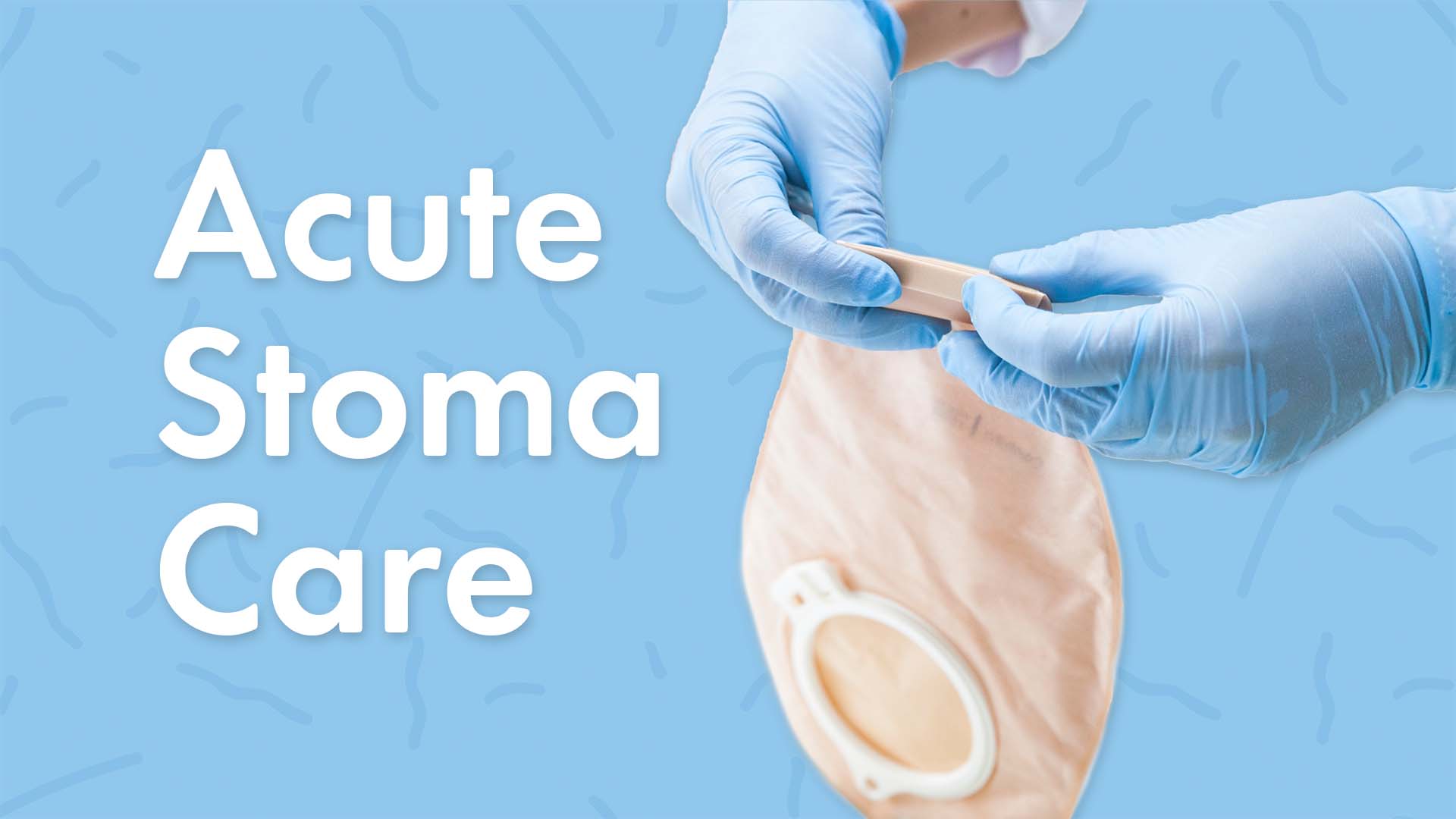
This specialized training shows caretakers exactly how to handle ostomies effectively, including bag changes, skin security, and emotional support.
Bowel Care Monitoring Courses
These training courses cover a variety of topics related to digestive tract wellness, consisting of nutritional administration, drug management, and emergency situation protocols.
What Is a Stoma? Comprehending Ostomy Care
Defining Trick Terms: What Is a Stoma?
A stoma is an opening created surgically on the abdominal area that allows waste to exit the body when normal removal through the rectum is not possible because of medical conditions or medical interventions.

What Is an Ostomy?
An ostomy is a broader term referring to any type of surgical procedure that develops an opening from an area inside the body to the exterior. Stomas can be short-lived or permanent based on private health needs.
Caring for an Ostomy: A Practical Guide
Essential Skills for Stoma Care Management
Changing Ostomy Bags
Recognizing exactly how to alter an ostomy bag correctly is essential for preventing leaks and skin irritation.
Skin Treatment Protocols
Protecting the skin around the stoma from irritation is crucial; this includes making use of obstacle creams and properly fitting appliances.
Dietary Considerations
Particular foods may influence feces uniformity or odor; understanding these dietary limitations can significantly improve comfort.
Emotional Support: The Human Component in Facility Digestive Tract Care
The Emotional Effect of Persistent Conditions
Patients coping with complex bowel problems frequently experience anxiety or depression because of their circumstances. As a carer, offering emotional assistance is equally as essential as physical assistance.
How Can Carers Offer Psychological Support?
- Active listening Encouraging open communication about feelings Providing confidence concerning issues associated with their condition
Practical Tips for Daily Monitoring of Complicated Bowel Conditions
1. Establishing Routines
Creating regular regimens can help people really feel even more safe and secure in their every day lives. Normal times for meals and bag adjustments can minimize stress and anxiety connected with unpredictability.
2. Keeping track of Symptoms
Keeping track of signs such as modifications in feces uniformity or abdominal discomfort can supply beneficial insights right into what works well in terms of diet regimen and management strategies.
FAQ Section
1. What certifications ought to I look for in a carer?
Look for accreditations in locations like NDIS complex bowel care training or stoma care training; functional experience is also invaluable.
2. Just how frequently should ostomy bags be changed?
Typically every 3-7 days but should be evaluated regularly based upon individual needs.
3. Can diet plan effect my condition?
Yes! Particular foods might exacerbate signs; maintaining a food journal can help determine triggers.
4. What sources are available for continuous education?
Numerous online programs provide expertise in locations like complex bowel care management and stoma care training.
5. Just how do I manage emergencies related to bowels?
Always have a plan all set; comprehending emergency methods outlined during your training will certainly assist you react efficiently when needed.
6. Are there community sources available?
Many companies supply support system where individuals and households can connect with others encountering comparable challenges.
Conclusion
Navigating complex digestive tract conditions needs both technological experience and thoughtful caregiving abilities. By investing time in specialized training such as NDIS complex bowel care training or stoma care training courses, Check over here you furnish on your own with important devices that enable you to provide high-grade support customized especially per individual's needs.
Ultimately, your role goes beyond formalities; it has to do with building trustful connections where people really feel seen, heard, and looked after holistically-- literally, emotionally, and psychologically. As you start this journey as a carer, bear in mind that every small act contributes substantially towards improving a person's lifestyle in the middle of their have problem with complicated digestive tract conditions.
This article works as both a useful overview and a clever device created especially for those keen on grasping the art of caring within this customized domain name-- Intricate Bowel Conditions: Customizing Your Technique as a Carer!