First help skills fade faster than many people anticipate. I have actually enjoyed certain grads of a first aid course be reluctant over the simplest actions since two years slipped by without technique. The certification on the wall may still look crisp, yet muscle memory and scientific judgment decay. Maintaining your first aid and CPR sharp is less about the paper and more about readiness when somebody's breathing turns shallow or stops altogether.
This overview goes through what actually matters for maintaining your first aid certificate, from revival timeframes and update cycles to sensible methods to stay proficient in between programs. I will cover exactly how employers and regulators check out currency, what to anticipate from a CPR refresher course, and how to avoid the typical risks that capture individuals out throughout audits and genuine incidents.
Expiry days, currency, and what they actually mean
Many individuals presume a first aid certificate remains valid till the expiry day published on it. That is just half the tale. Various jurisdictions and industry bodies distinguish between the formal legitimacy of a certificate and the money of your skills. For example, a basic first aid certificate (commonly called Offer First Aid or equivalent) commonly carries a three-year legitimacy window, while the CPR element, flagged as HLTAID009 or equivalent in some structures, is anticipated to be freshened every year. If your task requires first aid protection on change, your company may insist on annual CPR training despite the longer first aid validity.
Why that split? Proof shows CPR performance drops rapidly without practice. Chest compression depth and price, hand positioning, and changing between compressions and breaths end up being sloppy after a few months. First aid skills like sling application, hemorrhaging control, and recognition of stroke also break down, yet not as precipitously as CPR. Regulatory authorities draw the renewal line where performance voids carry the best risk.
If your duty includes higher risk care, such as remote work, electric job, childcare, or aged treatment, shorter revival periods commonly use. Some companies mandate full first aid training every 2 years, even when a three-year legitimacy is enabled. When in doubt, follow the more stringent demand: your employer's plan, your insurance company's terms, or the licensing body's directives.
What actually changes in between renewals
Renewal is not just a stamp. Excellent carriers refresh web content to reflect updated guidelines, brand-new devices, and adjustments in wellness system pathways.
- Resuscitation guidelines adjust periodically based upon worldwide agreement. Compression prices, AED triggers, and onlooker series actions can shift. I have actually seen a half-second doubt, triggered by an out-of-date memory of sequence order, delay defibrillation that can have mattered. Bleeding control now places even more emphasis on company, suffered straight pressure, early use hemostatic dressings, and, in some contexts, tourniquets. 5 years earlier, lots of initial aiders were nervous about tourniquets. Current courses reveal clear signs, placement, and reassessment steps. Anaphylaxis methods, including upgraded guidance on repeat dosages of adrenaline and post-administration monitoring timelines, evolve with method patterns. Opioid overdose feedback usually features more prominently, with naloxone schedule boosting in neighborhood settings. Also if you are unlikely to use it at the office, neighborhood direct exposure can occur anywhere. Concussion monitoring, particularly for sporting activity and youth, maintains refining return-to-activity guidance. Infection control and barrier defense criteria change with supply norms and brand-new microorganisms. Tiny technique modifications, like the series of donning and doffing gloves or eye security, minimize contamination risk.
If you last attended first aid courses prior to an advice update, a refresher course will certainly rectify your behaviors so they match existing best practice.
CPR training: why yearly refreshers matter
I have trained numerous individuals that amazed themselves at how much they had shed in a year. Deepness of compressions sneaks superficial, and breathing quantities swell over what is secure. It is not stubbornness, it is human nature. The repair is hands-on rep assisted by a teacher that remedies tiny mistakes before they set right into habits.
A common CPR correspondence course ought to provide you:
- Feedback-assisted compressions on a manikin that measures depth, price, and recoil. Going for 100 to 120 compressions per min while allowing complete upper body surge feels faster and lighter than many remember. Short, scenario-based drills that require choices. As an example, do you send for an AED prior to starting compressions when you are alone with a flattened adult, or do you begin compressions first and bring the device after a minute? Drills bake the sequence into your reflexes. AED exercise with reasonable prompts. Various brand names have somewhat various voice instructions and pad layouts. Knowledge minimizes the time from pad positioning to initial shock. A reset on rescue breaths. Those who discovered years back may still over-ventilate. 2 gentle breaths, each about one second, simply enough to see breast rise, secures from gastric insufflation. Choking procedures for grownups, youngsters, and infants. The actions look similar theoretically, yet the hand positions and pressure vary with age and construct. Rehearsal avoids fumbling.
For those operating in high turn over environments such as hospitality, safety, or gyms, I advise setting up the CPR refresher course near your busiest period. In this way, the height home window of danger accompanies your peak readiness.
Choosing a training provider you will certainly rely on an emergency
Not all first aid training is equivalent. The difference shows up when the room goes peaceful after a simulated collapse and individuals either relocation with purpose or freeze in confusion. I have actually seen small, well-run sessions that created positive -responders, and I have actually seen box-ticking marathons that left individuals shaky.
Look for first aid training with:
- Accredited condition under the relevant national or regional framework, with transparent mapping to the devices you require. If your employer needs a specific code or similarity statement, confirm it prior to you book. Instructors that have area experience and can discuss why steps are sequenced as they are. A tale regarding an actual AED implementation or a bleeding control incident sticks far better than a slide deck. Practical time that controls the schedule. If a four-hour session provides you only thirty minutes on the floor doing compressions, you will certainly not retain much. Variety in situations, consisting of kid and baby CPR if you need it. If your workplace includes kids, request for first aid and CPR that addresses pediatric factors to consider directly. Clear post-course support, such as quick-reference cards, access to online micro-scenarios, or optional practice labs between official revivals. Companies like First Aid Pro and comparable credible organisations usually use these bonus; they deserve it.
When a service provider rushes evaluation or teaches out-of-date series, it shows. Ask straight inquiries concerning standard variations, manikin comments devices, and exactly how frequently instructors freshen their very own credentials.
Renewal timelines without the jargon
Set a straightforward tempo and it will look after itself. Lots of people can collaborate with this pattern:
- CPR training courses and CPR training refresher: every one year, quicker if your role is high danger or your employer calls for it. Full first aid course, typically titled Supply First Aid, Basic Life Support plus First Aid, or comparable: every 3 years, unless your sector establishes a two-year cycle. Specialised devices like first aid in remote or low-resource setups, asthma and anaphylaxis management, or oxygen treatment: follow the unit-specific advice, which commonly runs on a one to two year renewal.
Do not wait for reminders. Develop a revival month into your schedule that avoids vacations and spending plan ices up. Many individuals anchor their first aid and cpr revivals to the very same month they do other compliance, like fire warden drills or tools checks. That rhythm maintains teams aligned, avoids week-to-week voids in insurance coverage, and streamlines audit paperwork.
Records and proof that take on an audit
Good record-keeping repays when a licensing officer or insurance company requests for proof. Save the certification PDF, however go one action better. Tape the unit codes, the company's accreditation number, the evaluation date, and the mode of distribution. Some companies currently ask whether the training course included online monitored analysis for CPR, not just theory. Maintain that noted.
If you handle a group, keep a common spread sheet or, much better, a simple training tracker in your human resources system. Shade code expirations at 90 days and 1 month. During onboarding, set assumptions that team book the following session as quickly as they pass the present one. For volunteers or informal personnel with variable hours, stagger renewals so protection continues throughout weekends and holidays.
Edge case to anticipate: people that change functions or sites mid-cycle. Request their most recent first aid certificate and CPR document on transfer, even if they originated from one more division of the very same company. It stops unpleasant voids where you assume they are present, only to locate the last CPR correspondence course was two years ago.
What a strong refresher session feels like
When a session runs well, you entrust aching lower arms and a clear head. You have chosen, not simply memorised steps. Anticipate short, extreme rounds of practice with comments rather than long lectures.
I like to place learners through a two-minute compression drill with a metronome at 110, after that run the same drill without a metronome and inquire to gauge their rate. A lot of overshoot or undershoot by at least 10 compressions. After a couple of cycles, the inner rhythm works out. Then we layer in an AED with a brand they have actually not made use of prior to. Unbox, power on, pad positioning, adhere to triggers, clear for shock, resume compressions. The very best training courses repeat that series up until it really feels boring. Monotonous below is good. It implies it has actually imprinted.
For blood loss control, we imitate glossy, messy scenarios. Not a neat cut with a dry plaster, however a soaked dressing that needs company, undisturbed pressure for numerous mins. Individuals discover to swap hands without shedding pressure, ask for a 2nd set of hands, and determine promptly when to escalate to a tourniquet. Those moments are the distinction in real life.
Staying sharp in between courses
Skills slip when months pass without method. You do not need an official course every quarter, however you do need calculated touches.
- Run a five-minute CPR practice every a couple of months. If your work environment has a manikin, bring it out throughout a group meeting. Cycle via two-person CPR with swaps every two mins and AED pad positioning. If you do not have a manikin, practice the series vocally and exercise pad positioning on a torso diagram. Use micro-drills. When you stroll past the first aid set, open it, check the contents, and re-familiarise your hands with where the gloves, plasters, and resuscitation mask sit. When an emergency takes place, your great motor skills will be compromised. Knowledge helps. Read a one-page upgrade recap from your training company. Good service providers send out short notices when guidelines shift or brand-new gadgets show up. Three minutes of reading keeps your psychological version aligned with practice. Debrief real minor occurrences. A tiny cut in the break area can instruct you concerning injury cleansing materials you are missing out on or the demand for a better disposal container. Debriefs hone preparedness far more than abstract scenarios. If your site has an AED, open the cupboard monthly, check the status light, pad expiry, and battery date. Do not presume Facilities is on it. Shared duty prevents the horrible exploration of expired pads when seconds count.
These small behaviors pay a returns: when the alarm sounds, you will step forward without scrambling.
Updating your set and environment
Renewing your certification matters little if your setting antagonizes you. I have actually walked into websites with an attractive AED installed behind a locked glass door that no one had a key for. I have actually opened up brand-new first aid kits missing out on a resuscitation mask. Tiny oversights undermine your training.
Walk your site with a -responder's eye. Beginning at the front door and visualize somebody falls down in the entrance hall. Can you reach the AED within 2 mins? Are batteries current? Are the pads ideal for grownups and children, and do your people understand where pediatric pads are kept? In workplace kitchens, are burns dressings stocked and within day? In workshops, are eye wash terminals unhampered and purged on schedule?
Add a short tag per set and device with check days and your initials. Turn supply so the soonest-to-expire things obtain made use of in training or drills. Numerous carriers, including First Aid Pro and comparable teams, provide restock services or can encourage on package checklists tailored to your risk profile. Match the set to the website, not to a generic list.
When your duty changes
Promotions, secondments, and website transfers change your danger profile. A project supervisor moving from head office to a building site will face various direct exposures. Do not wait on your next set up first aid training. Request for a gap session targeted to the brand-new hazards.

In child care and education setups, ensure your first aid and cpr course covers kid and infant scenarios and, often, bronchial asthma and anaphylaxis monitoring. Some territories online CPR first aid courses demand a certain accredited device for teachers. In health and fitness and water centers, oxygen therapy and back injury monitoring may be created into plan. If you teach group workout or run a swimming program, add those systems early rather than waiting for an assessor to ask.

Remote and isolated job is entitled to unique interest. If you are hours from clear-cut treatment, first aid courses that include long term area care, splint improvisation, and evacuation preparation make a world of distinction. Tourniquet usage, bleeding control, and hypothermia avoidance need to be second nature.
Online theory, in person technique, and what blends well
Many carriers currently supply mixed shipment: theory online, method in person. That layout conserves time without compromising hands-on components. It functions ideal if the on the internet modules are interactive and scenario-based, not simply slide after slide.
I have actually seen students show up to a brief in-person session with online material fresh in mind, ready to dive directly right into compressions, recovery placements, and choking response. The shift is smooth when the concept content mirrors the sensible structure. What does not function is cramming all theory at midnight the evening in the past, after that hoping muscular tissue memory appears throughout evaluation. Provide on your own buffer time in between finishing the online components and participating in the sensible so you can review notes and rest.
If your company accepts a fully on the internet CPR renewal without supervised compressions, ask whether that meets insurance and regulator expectations. In many regions, not being watched online-only CPR is ruled out equal to an in-person assessment. The safest wager remains demonstrated proficiency on a manikin under an assessor's eye.
Common blunders that cost time and confidence
A few risks repeat across workplaces.
People count on the certificate day and disregard CPR currency. They appear specific they are covered, just to find out the CPR component lapsed a year back. Set independent reminders.
Teams presume someone else inspected the AED, so no one does. Nominate a main and a back-up. Share an easy log.
Learners treat their first aid course like a once-and-done commitment. Without small refresher courses, the following course feels like going back to square one. Buy micro-practice and it will cut your relearning time in half.
Supervisors cram renewals right into the exact same week. I have actually watched entire floor teams out of action since everyone scheduled the very same day. Startle revivals to maintain coverage.
Managers buy generic kits without thinking about details threats. A glass-walled office needs even more burn dressings than a quiet bookkeeping suite, a fabrication workshop needs eye wash and sturdy handwear covers, and a child care center requires small-format glue dressings and spacer devices for inhalers. Tailor, after that review annually.
The role of quality control: exactly how suppliers maintain current
Ask your carrier exactly how they keep placement with advancing standards. Solid clothing run internal audits, peer monitorings, and teacher refreshers every 6 to one year. They invest in manikins with feedback and maintain numerous AED instructor designs on hand so you do not learn a single gadget by rote. Suppliers cpr training Epping who show for a living also debrief actual occurrences brought back by students. That loop from classroom to area and back once again reinforces the following session.
First Help Pro and various other recognized service providers commonly release guideline positioning on View website their internet sites and send out upgrade notes when resuscitation councils release new product. If your company can not tell you which standard set they adhere to, or the last time they upgraded content, think about switching.
When to rise your training
For some, the fundamental first aid and CPR course is just the beginning. If you supervise huge events, run outdoor programs, or take care of risky websites, add depth.
Event first aid training subjects you to crowd characteristics, radio interaction, and multi-casualty triage. Remote area first aid instructs improvisation, expanded monitoring, and sanctuary management. Oxygen treatment, advanced bleeding control, and naloxone management can be folded in as components. The more complex your setting, the extra you take advantage of circumstance layout that mirrors your reality.
If your website has certain threats, invite your provider to run a customized drill. For instance, a storehouse with narrow aisles and mezzanines will face access issues for cots and AEDs. Exercising those journeys prior to an event discloses bottlenecks.
How to get ready for your next renewal
Treat the weeks before a revival as a ramp, not a high cliff. Evaluation your last training course notes, especially locations you struggled with. If compressions tired you out quick, add a few collections of push-ups or planks to your routine. Good CPR is physically requiring. If you really felt flustered by the AED prompts, view a short training video clip for the brand name your website uses. If your rescue breaths dripped, exercise a much better mask seal with the manikin during the session.
Wear garments you can relocate. Bring any type of personal protective equipment you utilize on website, like prescription safety glasses, so you find out how it really feels during handwear cover changes and mask placement. Let your trainer know if you have an injury that restricts stooping, and request for alternative placements. There are secure means to adjust without compromising the skill.
Finally, show up interested. Ask what has actually altered because your last first aid training. Teachers enjoy those discussions, and you will obtain targeted updates rather than generic platitudes.
A note on self-confidence and humility
There is a pleasant place in between bravado and doubt. People often leave a cpr course sensation invincible, after that freeze when they encounter an actual emergency with sound, relative sobbing, or a cramped space. Others question themselves and await someone more qualified to action in. Training, technique, and clear office duties help you discover that happy medium where you act quickly, follow the sequence, and reassess as even more help arrives.
Humility keeps you versatile. If an AED motivates an action you do not expect, pay attention and follow. If a colleague offers to take compressions because you look tired, switch. If your very first plaster does not manage the hemorrhage, add another and escalate swiftly. Discovering proceeds after the certificate prints.
Keeping the huge image in view
Renewing your first aid certificate protects more than conformity. It maintains a chain of preparedness that extends from a collapsed complete stranger to a household with questions in a waiting area. The certification issues, yet the practices around it matter more: yearly CPR training, a well-stocked set, an AED that works, drills that fit your setup, and documents that allow you show currency without a scramble.
If you are overdue, publication now. If you are present, establish your next day and block 10 mins this month for a micro-practice. Gather your team for a fast AED check. Open up the package. Read the pad expiry. Feel the handwear covers. The life you save might be throughout the hall or across your kitchen table.
And when you go out of your next first aid and cpr course with fresh confidence, do one more thing: show a coworker a small item of it. Show them pad positioning, or speak them with the recuperation position. Passing it on is exactly how first aid becomes part of a workplace culture, not just a folder of certificates.
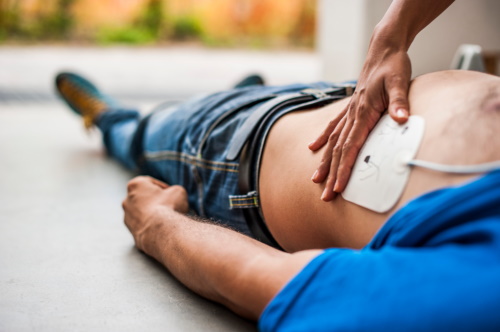
Quick revival checklist
- Confirm your revival timelines: CPR every twelve month, first aid course every 2 to 3 years relying on role and jurisdiction. Book with a certified service provider that stresses hands-on practice and existing guidelines. Audit your setting: AED status, kit materials, accessibility courses, and hazard-specific gear. Update your records: certifications, unit codes, assessment mode, and next due days in a common tracker. Schedule micro-practice and group drills in between formal sessions to maintain abilities alive.
Final believed on value
Across years of training, the most vivid feedback comes months after a session, when somebody writes to claim their hands moved before their mind. They listened to the AED say stand clear, they pressed set, they maintained pressure on an injury, they bore in mind a recuperation setting that shielded a respiratory tract. Those moments are not accidents. They are the product of revival, repeating, and a culture that deals with first aid as a living ability. Keep your certificate current, yes, yet more than that, keep on your own ready.