Pain in an emergency situation does not act pleasantly. It shows up loud, often layered, and shaped by shock, fear, environment, and physiology. Handling it well is greater than generosity. It is professional necessity. Under-treated discomfort drives tachycardia, hypertension, respiratory compromise, and can confound evaluation. The PUAEME008 Give pain management device establishes a practical requirement for out-of-hospital -responders, occasion medics, and professional support staff who are anticipated to provide risk-free, prompt analgesia within range. This short article distills the real-world lessons behind that competency, with instances from the road and the resus bay, and advice pertinent to anyone thinking about a pain management program or certification.
What PUAEME008 covers and why it matters
PUAEME008 supply discomfort administration is an across the country recognized system of expertise in Australia that prepares responders to analyze discomfort, provide accepted analgesics under clinical governance, display clients, and intensify when needed. The focus is on rapid, organized analysis, safe medication option, and attentive monitoring, all while working within neighborhood protocols.
It enhances first responder and pre-hospital structures by focusing on analgesic options that are sensible in the area. Grads of a pain administration certification program constructed around PUAEME008 needs to be able to provide inhaled methoxyflurane, intranasal fentanyl or comparable representatives where authorized, and non-pharmacological strategies, while recording and communicating plainly to getting teams. For nurses and physio therapists working in remote clinics, sports medicine, or event protection, the very same principles apply, and many pain management training courses incorporate this system into broader skill sets.

A fast scene from practice
New Year's Day at a seaside event, a 28-year-old with a noticeably deformed wrist sits pale and trembling. The triage camping tent is humming. He ranks his discomfort 9 out of 10, however he is hyperventilating, weeping, and contradicting himself. We train breathing, splint the arm, and offer methoxyflurane. Ten mins later, his respirations are calmer, the hand is warm with a palpable radial pulse, and he can answer inquiries. By the time transportation shows up, we have a significant neurovascular analysis and clean documents. Marginal tools, major difference.
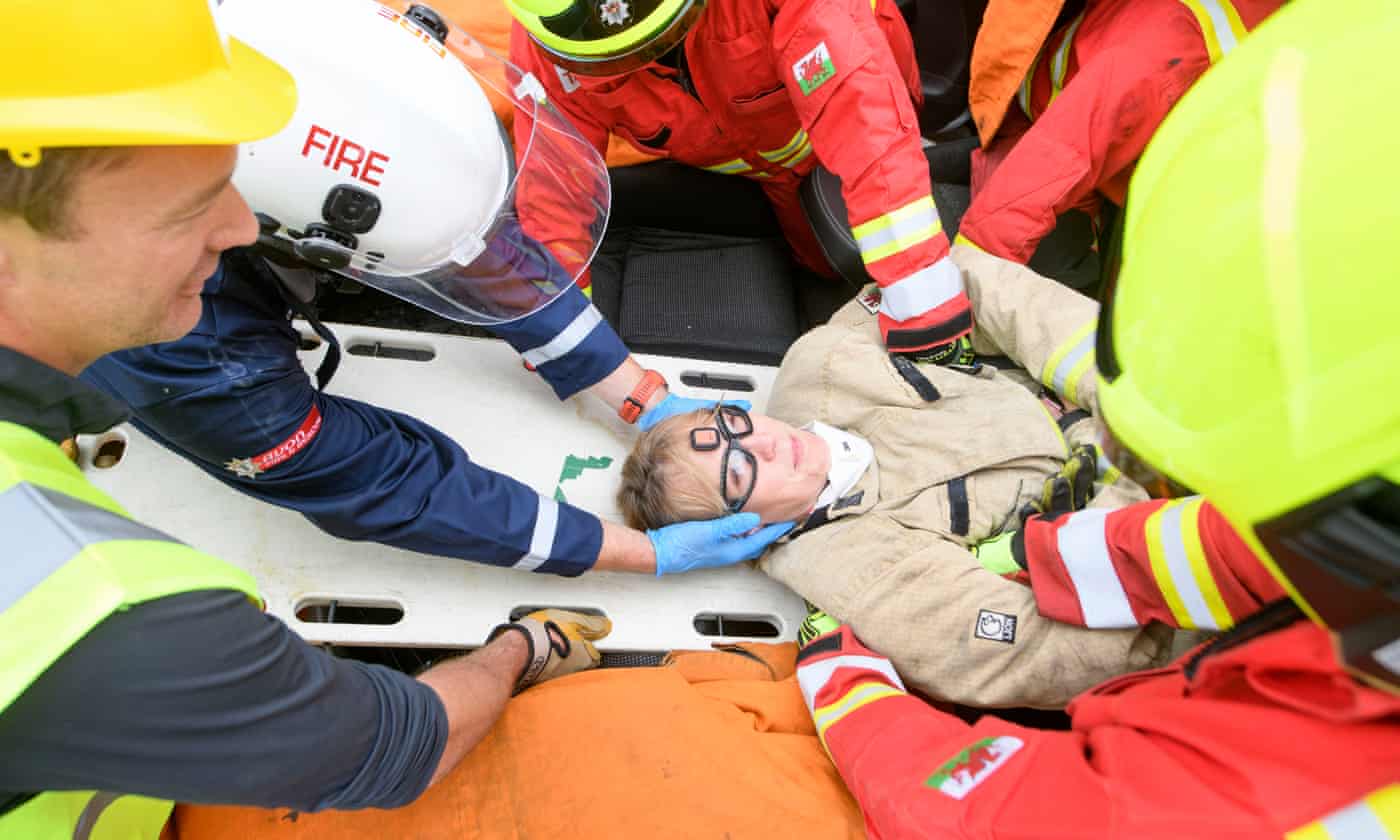
The factor is easy. Non-pharmacological measures, coupled with a fast, protocol-driven analgesic, transformed the assessment window. PUAEME008 formalizes that series and lowers the variability that comes from improvisation.
Assessment initially, always
The best analgesic decision experiences on a great evaluation. In emergency situation pain administration, the analysis is brief however not superficial. I such as to anchor it around 3 elements.
First, identify the pain. Onset, area, radiation, high quality, and aggravating aspects guide both medical diagnosis and analgesic selection. Abrupt tearing back pain with hypotension is not a chance for passionate dosing; it is an aortic disaster up until tested or else. Scattered stomach discomfort with protecting demands warn with opioids that may shadow the image before surgical review.
Second, evaluate and contextualize extent. A numerical ranking scale is useful, however it is not the entire tale. Search for facial grimace, protective postures, sweat, tachycardia, and the speed of speech. A calm home builder claiming "perhaps a five" while white-knuckling their thigh should have considerate uncertainty. Conversely, a very meaningful patient can report a ten yet reveal loosened up respirations and regular vital indicators. Utilize both reported and observed indicators, and repeat after interventions.
Third, display for warnings and contraindications. Anticoagulant usage in head injury raises the risks. Asthma changes the conversation concerning NSAIDs. History of opioid level of sensitivity, recent sedatives or alcohol, and kidney disability are not explanations. Quick checks like blood glucose can reframe agitation from pain to hypoglycemia. For any kind of discomfort management certification course, these choice factors inhabit a lot of time due to the fact that they are where person safety and security is won.
Weighing non-pharmacological strategies
A responder who assumes only in milligrams misses half the tool kit. Stablizing, confidence, and standard techniques can drop the discomfort rating by two or 3 factors before a medicine touches the blood stream. Hands-on experience does the convincing.
Immobilization is king for musculoskeletal injuries. Assistance the joint over and listed below, padding bony prominences, and prevent over-tight bandaging that endangers perfusion. Placing issues for rib fractures and flail sectors; semi-upright with gentle support can decrease splinting and tiredness. For burns, get rid of the resource, cool the location with lukewarm running water if within the initial 20 mins, then safeguard from air motion which amplifies pain.
Cold and warm have their area. Intense soft cells injuries typically settle with ice bag covered, used in short cycles. Persistent spasm might loosen up with heat, however in severe injury, heat can boost bleeding. Select intentionally and document your rationale.
Coaching breathing and focus is not fluff. Sluggish diaphragmatic breathing reduces the free tornado, and a calm voice can secure a panicked patient provide pain management course enough to enable IV positioning or splinting. In my experience, 60 to 90 seconds of focused breathing direction while preparing an analgesic gets better end results and fewer damaging occasions. PUAEME008 acknowledges these actions, and excellent pain monitoring programs bake practice right into scenarios.
Choosing the ideal analgesic in the field
Selection is an equilibrium of onset, strength, course, and adverse effects profile, constrained by extent and procedure. The usual agents in pre-hospital setups have individuality quirks you learn to respect.
Methoxyflurane, a breathed in analgesic delivered through a handheld device, fasts to deploy and highly titratable. It beams for modest injury pain, dislocations, and fractures throughout movement or splinting. Start is rapid, within a few breaths. Adverse effects include wooziness and occasionally nausea or vomiting. Overall dose restrictions matter because of historical nephrotoxicity concerns at anesthesia-level exposures. Modern low-dose analgesic use is taken into consideration secure when sticking to maker restrictions and neighborhood guidelines. Keep the device in the person's hand when feasible so it slopes if they become sleepy. In warm atmospheres or when dehydration is thought, remain conscious and moisten where appropriate.
Intranasal fentanyl uses quick onset without IV access. It sets well with extreme discomfort when IVs are not feasible, like in combative head injury people or paediatrics. See respiratory price and psychological condition very closely. Application errors throughout nostrils happen when the mucosa is congested or blood loss. Split the dose, allow absorption, and reassess prior to offering extra. Prevent stacking several sedating agents.
Intravenous morphine and fentanyl stay staples where extent enables. Morphine's hemodynamic results can be unwelcome in hypotension. Fentanyl is cleaner in that respect, however its potency demands precision and surveillance. I have actually seen more damaging events from rush than from the medications themselves. Slower, smaller increments with review will certainly almost always beat a big in advance dose.
Ketamine, where permitted, is an effective ally for serious injury pain and people that can not tolerate opioids. At analgesic-dose varies it protects air passage reflexes and spontaneous breathing. Anticipate dysphoria or introduction responses occasionally. A silent, one-to-one discussion during administration often avoids distress. Avoid in suspected psychosis unless benefits highly outweigh threats, and follow your administration to the letter.
Non-opioids are entitled to focus. Intravenous paracetamol is undervalued for moderate pain and as an opioid-sparing accessory; beginning is not instantaneous, however it smooths the contour. NSAIDs can aid with kidney colic or bone and joint discomfort given there is no renal disability, peptic ulcer disease, or anticoagulant danger. In dehydration, skip the NSAID.
Monitoring that stops trouble
Analgesia without monitoring is wagering. Continual or constant tracking is the backbone of secure practice.
Respiratory price and top quality beat a solitary SpO2 number. A tranquil 14 breaths per minute with excellent chest surge tells a different tale than an irregular 8 with recurring apneas while the pulse oximeter still reveals 96 percent. Capnography, if available, is outstanding for very early discovery of hypoventilation after opioids. For intranasal fentanyl and IV opioids, repeat evaluations every couple of minutes early on, after that step the frequency down as soon as the fad is steady.
Look past oxygenation. High blood pressure can drift with morphine. Heart price frequently falls as discomfort fixes, not always due to negative effects. Pupils, degree of sedation, and the patient's capacity to respond to a full sentence tell you whether the dosage was right. Repeat pain ratings, yes, yet likewise note function: can they change setting, bend the knee, cough even more comfortably?
Good discomfort administration training programs pierce the cycle of dose, delay, reassess, paper. On change, that rhythm conserves respiratory tracts and maintains groups confident.
Special populaces where judgment matters
Paediatrics has a tendency to frighten till you have a few success. Kids really feel safer with a parent literally existing. Intranasal routes lessen injury. Dosing by weight seems noticeable however is where mistakes prowl. Usage color-coded help or electronic calculators if readily available. Observe very closely for paradoxical reactions, especially with ketamine or benzodiazepines if your method includes them. For burns or fractures, interruption is not a reward tactic, it is essential.
Elderly patients are more conscious respiratory system downers and most likely to have comorbidities. Start low, go slow, and examine kidney function if known before reaching for NSAIDs. Expect ecstasy sped up by pain, opioids, or the environment. A quiet edge, glasses and hearing aids in position, and clear, low-pace explanations can cut in half the confusion.
Pregnancy raises the risks. Placement left side to prevent vena cava compression when feasible. Stay clear of NSAIDs in late maternity unless guided by a doctor. Opioids might be required; titrate with treatment and include sophisticated care early. Methoxyflurane use in maternity ought to comply with local plan and risk-benefit discussion.
Patients with chronic opioid therapy need customized plans. Their standard resistance commonly demands higher doses, yet resistance is not immunity to respiratory system anxiety. Go for feature and relief, not overall removal of discomfort. Where feasible, confirm their typical routine and think about ketamine or regional options if offered within scope.
Speaking to scope and governance
The finest clinicians practice well within their lane and bring help early when the road bends. PUAEME008 is specific about working under scientific governance, local procedures, and clinical directions. That suggests you may be trained on a variety of representatives but accredited for a part in your solution. It also implies meticulous documentation, interaction with send off and obtaining groups, and occurrence reporting when near-misses occur.
An excellent supply pain administration program hangs around on practical administration, but an impressive one makes you well-versed in acceleration. If you can not regulate pain within your formulary, if essential indicators wander, or if warnings arise, you require greater treatment. It is not a failing. It is the safety net working.
When discomfort covers diagnosis
Emergency clinicians walk a line in between humane analgesia and analysis clearness. The anxiety of "masking" can cause undertreatment. Evidence and experience reveal that appropriate analgesia enhances examination top quality in most cases. You can palpate a tender abdomen better when guarding reduces. You can take a far better history from a patient that is not panting via every word.
There are exceptions where the picture can shift. Inexplicable hypotension combined with extreme discomfort needs cautious titration and urgent transport, not repeated dosing on scene. Believed area syndrome demands frequent neurovascular checks and judicious analgesic usage immediately surgical review. For head injuries with transformed mental condition, prioritize airway and neurologic tracking; provide analgesia, however maintain doses traditional and view pupils and air flow closely.
Documentation that informs the story
Pain monitoring is as a lot a communication task as a pharmacological one. Create what you saw, what you did, and what transformed. Detail the standard discomfort attributes, the very first gauged vitals, the chosen treatment with dose, path, and time, and succeeding reassessments. Keep in mind damaging effects, the individual's reported alleviation, and useful enhancements. For handover, a clean arc of events builds trust fund and guarantees connection. In numerous solutions, pain monitoring certification expects you to demonstrate this circulation in scenarios and created assessments.
Building skills: training that sticks
Short courses suffering administration differ. When taking into consideration a pain administration certificate or a pain monitoring qualification training course, look past the sales brochure. Look for programs that consist of scenario-based experiment moulage, realistic time pressures, and role-played communication difficulties. The most effective training enhances choice trees for usual presentations, such as isolated arm or leg injury, rib fractures with respiratory system splinting, renal colic, burns, and severe back convulsion. It must educate you to set up devices one-handed, prime devices in the dark, and calibrate your doses while someone is yelling for help.
For registered nurses and physio therapists branching into event medicine, remote facilities, or sporting activities insurance coverage, pain management training for registered nurses and pain monitoring programs for physio therapists ought to incorporate interprofessional interaction and recommendation patterns. Knowing when to stop and rise is as essential as knowing exactly how to start.
Practical tips that typically gain their keep
- Prepare before you touch the individual. Prepare, examine dosages, and established monitoring so the treatment really feels smooth and fast. Use the person's breath as your metronome. Coach slow-moving inhalations with methoxyflurane and observe the pattern for indicators of distress or sedation. Pair every pharmacological action with a physical one. Splint throughout beginning, reposition throughout peak effect, secure during transport. Watch the 2nd minute after application. Damaging respiratory system trends commonly reveal early and subtly. Make your reassessment visible. Claim the discomfort rating out loud, repeat the neurovascular check in the exact same order, and reveal your companion the numbers.
These habits shorten scene times without rushing and make teams natural. Discomfort monitoring training courses that drill these micro-skills create calmer clinicians.
Controlling nausea, itching, and opposite effects
Antiemetics belong when opioids or unpredictable anesthetics set off nausea. If your method includes ondansetron or metoclopramide, provide it early when background suggests high risk. Bear in mind liquid condition and avoid overwhelming delicate individuals. For pruritus after opioids, confidence and time frequently are enough in the field; antihistamines are not always indicated and can calm needlessly. Always balance symptom treatment against the total sedative load.
Regional and advanced options
Many out-of-hospital providers do not perform nerve blocks, however some sophisticated groups and remote medical professionals do. Femoral nerve obstructs for hip cracks can transform care. If your extent includes them, appreciate the prep work: clean and sterile technique, ultrasound where possible, and mindful application. When inaccessible, a well-applied grip splint and systemic analgesia remain reliable. For rib fractures, dedicated splinting and targeted breathing training can minimize the requirement for high opioid doses. Regional choices are worth comprehending also if you can not perform them; they impact your handover and your pre-transport plan.
The psychological layer
Pain is never ever totally physical. Injury scenes come with worry, guilt, and sometimes embarassment. A couple of sentences of recognition decrease suffering in quantifiable ways. "Your leg is damaged. The pain you feel makes good sense. We are providing you medicine that functions promptly. You are secure now." This is not bedside fluff. It reduces catecholamines, improves collaboration, and reduces the dose you need. For people with a background important usage, a neutral, respectful tone avoids preconception. Record neutrally and concentrate on the physiology and response.
Learning from blunders without making them twice
Every experienced medical professional can recall a time they under-treated out of care, or piled agents also promptly under pressure. The remedy is purposeful technique and debrief. After a difficult situation, ask three concerns. What did we see late? Where did we rush? What would we transform with the same restraints? Urge your team to keep a brief reflection log. Over a year, those notes construct an individual certificate program hurting management better than any type of classroom handout.
Choosing the best training course pathway
If you are thinking about formal training, match the offer to your duty. For occasion medics and first responders, a supply discomfort monitoring training course aligned to PUAEME008 will focus on breathed in and intranasal options, scenario drills, and documents. For medical professionals pursuing a more comprehensive discomfort administration accreditation, try to find programs that consist of intense and persistent frameworks, pharmacology refresher courses, and lawful aspects of carrying out Schedule 8 drugs within your jurisdiction.
Pain administration programs for registered nurses who operate in emergency situation divisions or urgent treatment need to stress triage analgesia, fast-track pathways for fractures, and paediatric application, in addition to protocolized antiemetic use and rise. Pain management courses for physiotherapists might incorporate intense injury inflection techniques, taping and bracing throughout the intense window, and cooperation with prescribers for consolidated techniques. Brief programs suffering administration can be effective if they are practical, hands-on, and come with follow-up method or assessments.
Logistics that keep kits ready
Good analgesia stops working when the cylinder is empty or the atomizer is missing out on. Develop a checklist culture. For groups covering occasions, supply one secured discomfort kit per -responder and one book in the command article. Rotate short-expiry items to scientific bases before they pass their dates. Keep composed dosage charts laminated, not buried in a phone with a dead battery. Label atomizers and syringes by volume delivered per milliliter to minimize head mathematics. For methoxyflurane, store devices out of direct sun and inform staff on filter adjustments and tool disposal.
Working legally and ethics
Administering anesthetics in the field entails legal responsibilities. Follow your service's permission matrix for Schedule 2, 3, 4, or 8 medications. Secure storage space, temperature level controls where called for, and documents of waste are non-negotiable. Authorization matters also hurting. In the gently baffled person who withstands, concentrate on non-pharmacological steps and transportation. For minors, look for guardian authorization when possible; in emergency situations, implied permission uses, yet communicate your actions clearly and early.
Ethically, deal with pain equitably. Older grownups, people with interaction barriers, and those with psychological wellness histories go to danger of under-treatment. Structured evaluations close the void. At the same time, be wise with repeat calls from familiar addresses. Deal with the immediate issue, check for warnings, and coordinate with more comprehensive treatment networks rather than wandering into not being watched chronic pain management.
Bringing it all with each other on an active shift
Picture a two-hour stretch on a Saturday: a wrist crack at a football ground, a renal colic call to a little flat, and a biker with rib cracks after a short courses in pain management low-speed bus encounter. 3 various discomforts, 3 various moods. The very first obtains methoxyflurane, a comforting visibility, and a thoughtful splint. The second benefits from intranasal fentanyl after mentoring and hydration recommendations, with a prepare for ED imaging. The third needs careful respiratory assessment, step-by-step fentanyl with capnography, a cushion brace to cough, and guidelines to deep breathe every couple of mins en route in. Each situation utilizes the same map: analyze, select, carry out, monitor, reassess, file, and hand over. The information differ. The technique does not.
PUAEME008 offer discomfort administration considers that technique a common language across services. For groups that adopt it, new personnel join a discussion already underway. The unit will not replace clinical judgment, however it will certainly develop it, especially under pressure.
Final thoughts for clinicians taking into consideration training
If you bring obligation for clients in sharp pain, buy organized training. A discomfort monitoring certification rooted in practical scenarios will certainly increase your ceiling and your flooring. Choose a company that respects your range and context, whether you are a first -responder, a registered nurse in a country urgent care center, or a physio therapist covering an elite sporting activities meet. Expect to exercise till the sequence feels like muscle mass memory. Expect comments that hurts a little. Expect less negative changes and far better handovers.
Pain is inevitable. Experiencing is not. With disciplined analysis, practical techniques, and the best education, you can raise patients out of the panic and into a space where diagnostics, transport, and recuperation continue efficiently. That is the promise behind high quality pain monitoring training and the day-to-day craft of emergency care.